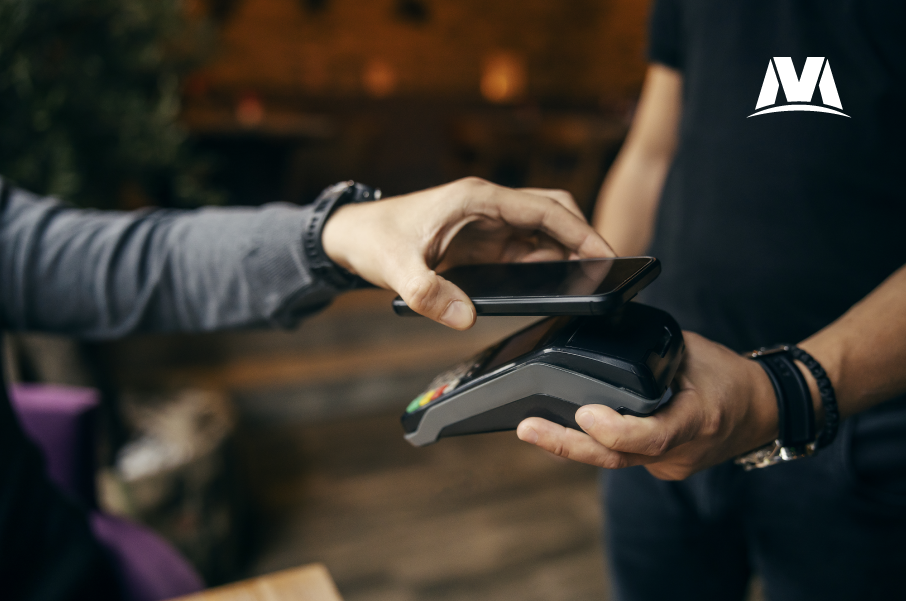
Watch what happens at a busy register when someone reaches to pay. They pull out their phone or hold their card near the reader and wait for the beep, almost without thinking about it. When nothing happens, when the machine wants a swipe or a chip insert instead, you can see the tiny pause where they have to shift gears. It is a small moment, but it repeats hundreds of times a week, and it tells your customer something about how current your business is.
Tap to pay stopped being the fancy option a while ago. At this point it is simply how most people expect to pay, and if your setup still leans on swiping and inserting, you are quietly working against the way your own customers want to hand you money.
Contactless is not the future anymore, it is the majority
The numbers here are not close. More than 65 percent of in-person card payments in the United States are now contactless, which means tapping has already passed everything else combined for face-to-face sales. This is not a trend limited to one age group or one type of store. It shows up across demographics and across business types, from coffee shops to service counters.
The infrastructure has caught up too. Over 85 percent of the credit and debit cards issued in this country now come with contactless built in, so the capability is already sitting in your customers’ wallets whether your register is ready for it or not. When that many people are carrying a tap-enabled card and reaching for it by default, the question is no longer whether contactless matters. It is whether your business is on the receiving end of it.
What an outdated terminal actually costs you
It is easy to look at an old but functional terminal and think it is fine, since it still processes payments and nothing is technically broken. The cost is subtler than a broken machine, and it adds up in ways that do not show on any single receipt.
Start with speed. A contactless tap clears in roughly two to three seconds, while a chip insert takes somewhere in the range of eight to twelve. That is about four times slower, and it lands at the worst possible moment, right when a line is forming and people are deciding whether the wait is worth it. During a lunch rush or a weekend crowd, those extra seconds per customer turn into a line that pushes people back out the door.
Then there is the impression it leaves. For a lot of shoppers, especially those under forty, contactless acceptance is now just an assumption, the same way they assume you have a working card reader at all. When they have to fumble with a swipe or dig for a chip, it reads as a business that is a step behind, even if your product is excellent. None of these people will tell you why they did not come back. They just quietly go somewhere the checkout felt easier.
It is not just cards anymore
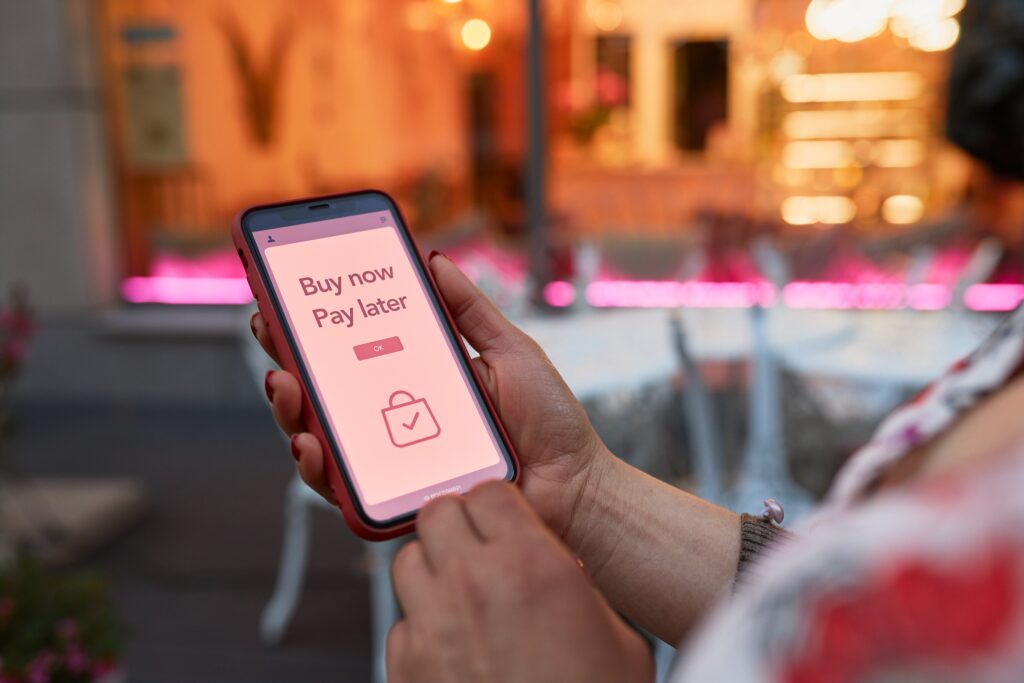
The other half of this shift is where the tap is coming from. Plenty of your customers are not tapping a card at all, they are tapping a phone or a watch loaded with Apple Pay, Google Pay, or Samsung Pay. Mobile wallet use has grown about 40 percent since 2023, and it keeps climbing as more people get comfortable leaving the physical card at home.
There is a practical reason wallets are winning beyond convenience. A card tap usually skips the PIN for purchases under a couple hundred dollars, and a wallet payment that is verified by a fingerprint or a face often has no cap at all, so it stays fast even on larger tickets. If your terminal cannot take a phone tap smoothly, you are not just missing a payment style. You are missing the payment style your best repeat customers increasingly prefer.
You may not even need to buy expensive hardware
Here is the part that surprises a lot of owners we talk to. Getting current does not automatically mean buying a whole new fleet of pricey terminals. One of the real shifts of the last couple of years is that a phone can now be the reader.
Tap to phone technology lets you accept contactless payments directly on a smartphone, with no extra dock or dongle required. For a small shop, a mobile business, or anyone who takes payments away from a fixed counter, that changes the math on upgrading entirely. The point is not to spend more on hardware, it is to match how your customers already pay, and there is usually more than one way to get there depending on how your business actually runs.
What to do about it now
You do not need to overhaul everything this week. What you do need is an honest look at your current setup and a simple answer to one question: when a customer reaches out to tap, does the sale happen instantly, or does your machine slow them down?
If the answer is that people are still swiping and inserting more often than they are tapping, that gap is costing you a little bit at every transaction, and it is the kind of leak that is easy to fix once you know it is there. The right hardware for your business depends on your volume, your ticket sizes, and whether you sell from a counter, a table, or a truck, which is exactly the kind of thing worth talking through rather than guessing at.
At Volt Merchant Solutions, we help business owners match their payment setup to the way their customers actually pay, without pushing hardware you do not need. If you are not sure whether your current terminal is keeping up, we are happy to take a look and tell you plainly whether it is fine as is or quietly holding you back. Either way, you will know where you stand.
Sources: